
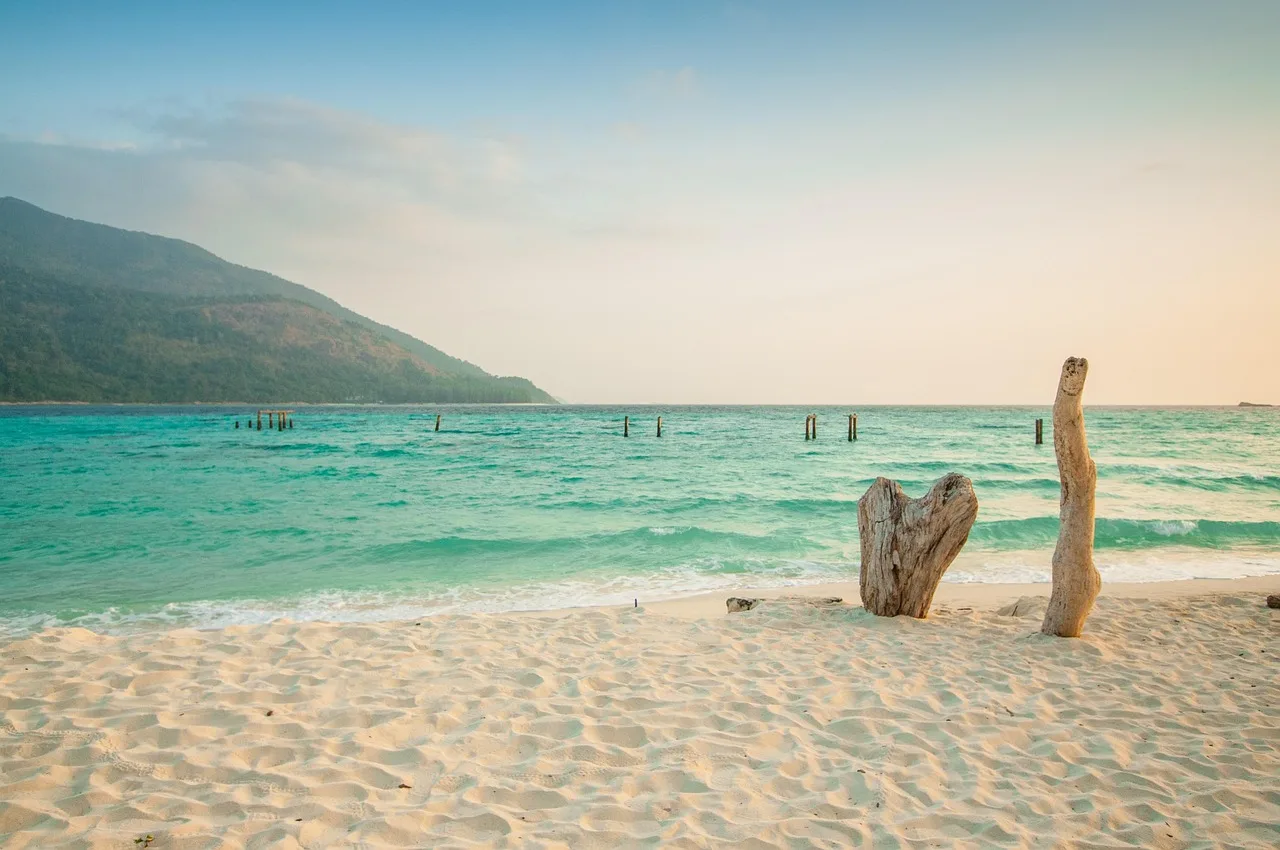
Imagine two posts about the same island. The first is a beautiful slow-motion video set to music. The second is a plain, practical video: "How to spend one day on this island: the boat I took, where to eat, and what I would skip."
The first will probably get more views. The second will probably get more saves, more questions and more bookings.
Both are valuable. But they do different jobs, and many creators make far more of the first kind than the second.
How much of your content is made for people who are actually planning a trip?
Inspiration and planning are different moments
Travelers go through different moments before a trip. First they dream: they scroll, enjoy and save. Then they plan: they compare, check details and decide. Content that serves the dreaming moment builds your audience. Content that serves the planning moment leads to bookings.
A healthy creator business needs both. The problem is that inspiration content is often easier to make and more rewarded by platforms, so planning content gets neglected.
Four formats that serve planning
- Itineraries. "One day in", "three days in", "a rainy day in". They answer the question every planner has: how do I fit this together?
- Comparisons. "Which island trip should you choose?", "Speedboat or longtail?", "Morning or sunset tour?" Comparisons help people decide between options, which is exactly the moment before booking.
- How-to guides. "How to get from the airport", "How to book the early departure", "What to bring". They remove the practical fears that stop people.
- Honest reviews. One experience, shown fully: what was good, what was not, who it suits. They give people permission to decide.
Each of these formats answers a question a planner is already asking. That is why they lead to bookings.
Make content for the moment people decide, not only the moment they dream.
Make planning content still feel like you
Planning content does not need to be dry. Your personality, humour and honesty are what make a comparison or an itinerary worth watching instead of reading a website. Keep your voice. Show yourself doing the experience. Tell the small story that makes it memorable. Simply make sure the practical information is there and easy to find.
Connect planning content to your recommendations
Planning content works best when the next step is clear. An itinerary should name the experiences and tell people where your recommendations are. A comparison should end with your honest pick and why. A how-to guide can link to the experience it explains. Without that connection, planning content helps people decide, and then they book somewhere else.
Plan four posts, one in each format
- Choose the destination or experience your followers ask about most.
- Write one idea for each format: an itinerary, a comparison, a how-to guide and an honest review.
- For each idea, write the main question it answers, in your followers' own words from your DMs or comments.
- Decide the clear next step at the end of each, and where it leads.
- Publish the four over the next month, mixed with your usual content, and compare saves and questions with your other posts.
Reuse what you already filmed
You may not need new trips to make planning content. Look through footage you already have. A collection of clips from one island can become a one-day itinerary. Two tours you did last year can become an honest comparison. The small practical moments you filmed, such as the pier, the boarding, the lunch, are often exactly what planning content needs. Many creators find that their archive holds months of planning content they never published, because the clips did not seem exciting enough for an inspiration video.
Find the balance for your audience
There is no fixed ratio between inspiration and planning content. Some audiences are mostly dreaming, others are mostly planning. Watch saves, shares, questions and clicks for each type over a few months. If planning content produces most of your bookings but only a small part of your posts, you have found where to put more effort.
Inspiration makes people want to go. Planning content is what they use to actually go.
Make content for the moment people decide, not only the moment they dream.